

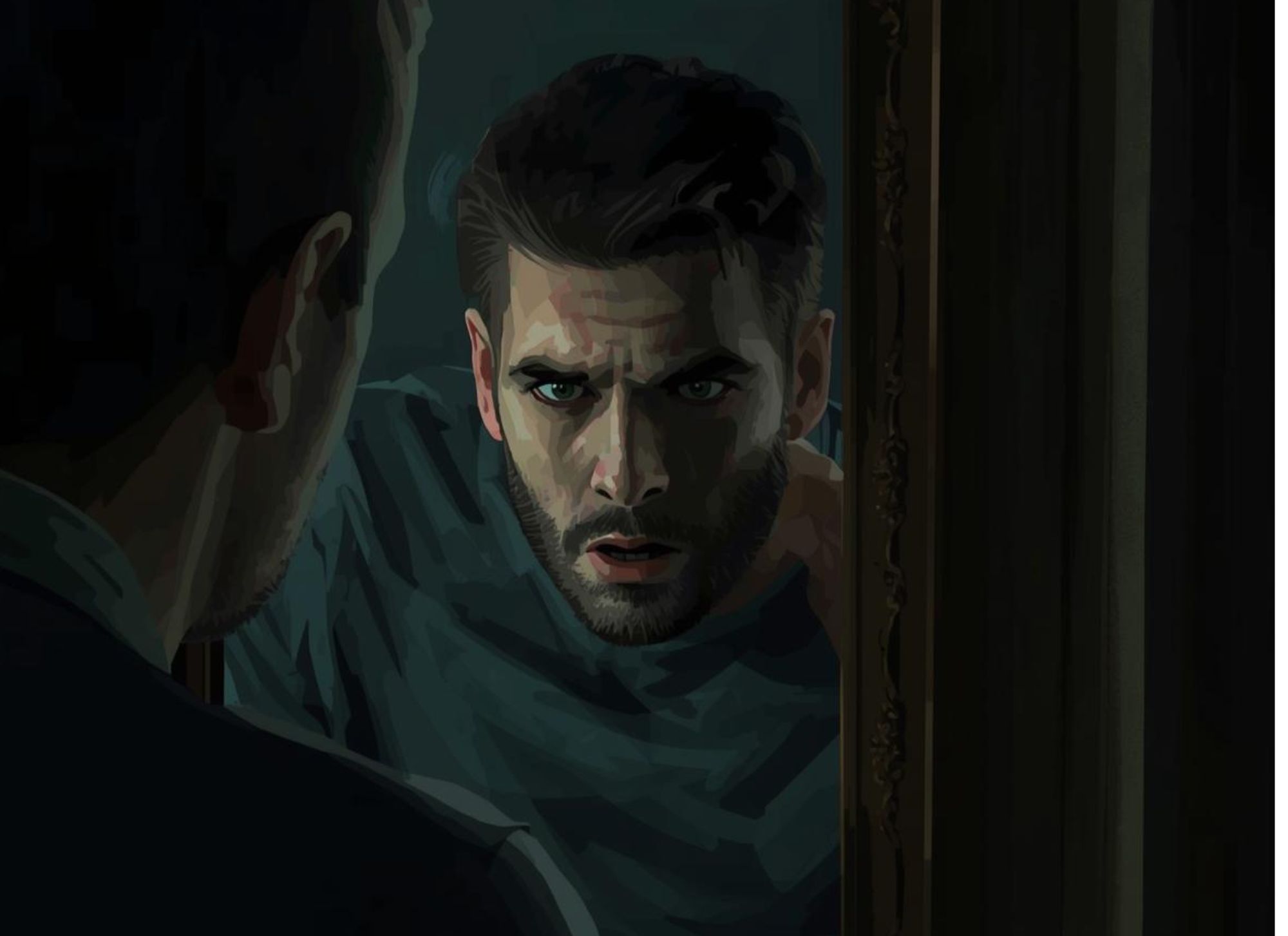
Learn the powerful technique of crystallizing stakes—turning vague character desires into concrete, urgent decisions that drive your plot forward and keep readers hooked.
The Problem with Abstract Stakes (And Why Readers Lose Interest)
Your protagonist wants to “figure out their future.”
They want to “find themselves.”
They’re “conflicted about the relationship.”
They’re “struggling with their identity.”
These are all valid character concerns. They’re also completely abstract.
And abstract stakes kill momentum, no matter how beautifully you write them.
Here’s what abstract stakes look like in practice:
Emma spent another evening thinking about whether to accept the job in Seattle. She made tea, stared out the window, considered the pros and cons. Seattle meant new opportunities. But it also meant leaving everything familiar. She sighed. Tomorrow she’d think about it more.
Nothing happens. Emma cycles through the same thoughts readers have already seen. She doesn’t make a choice. She doesn’t take action. She just… thinks. Again.
Readers, sensing the lack of forward movement, start checking their phones.
The solution? Crystallizing the stakes.
Instead of letting Emma drift through abstract contemplation, give her something concrete to act on:
The job offer letter sat on Emma’s kitchen counter, the deadline circled in red: “Response required by 5 PM Friday.” It was 4:47. Her finger hovered over her phone—accept or decline, Seattle or stay, the relationship with Marcus or her career ambitions. No more deliberation. Time to choose.
Now something must happen. The abstract conflict (“what should I do with my life?”) has been crystallized into a concrete, time-sensitive choice with a physical object (the letter) and a ticking clock (13 minutes).
This guide breaks down exactly how to transform vague, diffuse stakes into focused, urgent catalysts that propel your story forward.
Understanding Crystallization: From Amorphous to Concrete
What “Crystallizing Stakes” Actually Means
Crystallization = Taking abstract desires, fears, or conflicts and distilling them into concrete, actionable elements
Think of it as using a magnifying glass to focus sunlight. The sun is always there (your character’s desires exist), but a magnifying glass concentrates those diffuse rays into a focused point with enough intensity to start a fire.
The metaphor breakdown:
Diffuse sunlight = Abstract character desires (“I want to be happy,” “I need to figure things out,” “I’m confused about what to do”)
Magnifying glass = The craft technique of crystallization
Focused heat = Concrete choices, objects, or moments that force action and create urgency
The fire = Plot momentum and reader engagement
Why Crystallization Matters
Abstract stakes create these problems:
- Readers can’t visualize what’s happening – Internal contemplation is invisible
- No clear way to measure progress – How do we know if character is closer to resolution?
- Protagonist seems passive – Thinking isn’t action
- Scenes feel aimless – No concrete goal = no structure
- Tension evaporates – Without tangible choices, urgency disappears
Crystallized stakes solve all of these:
- Readers see clear objects/choices – The letter, the pills, the ring, the contract
- Progress is measurable – Character either takes action or doesn’t
- Protagonist becomes active – Must make choices, not just contemplate
- Scenes gain structure – Built around the concrete element
- Tension intensifies – Tangible choices create urgency
The Relationship Between Raising Stakes and Crystallizing Them
Raising stakes = Increasing what’s at risk (covered in previous guide)
Crystallizing stakes = Making those risks concrete and urgent
You can have high stakes that remain abstract and ineffective:
- “Everything depends on this”
- “My whole future is at stake”
- “I have to figure this out”
Or you can crystallize those high stakes into concrete form:
- “I have to sign this contract by midnight or lose everything”
- “I can attend Harvard (fulfilling Dad’s dream) or Berklee (pursuing my music)”
- “I tell him the truth tonight or live with the lie forever”
Both techniques work together: Raise the stakes to increase what matters, then crystallize them to make that importance tangible and urgent.
The Anatomy of Crystallization: Three Core Elements
Element 1: Concrete Objects
The principle: Physical objects make abstract concepts tangible.
Why it works: Human brains respond to concrete, visualizable things. A letter, pill, ring, or key exists in the physical world, making the stakes feel real rather than theoretical.
Examples:
Abstract: “Neo has to decide whether to learn the truth or remain ignorant.”
Crystallized: Two pills—one red, one blue. Physical objects he must choose between. Morpheus’s speech crystallizes what each pill represents, but the objects make the choice tangible.
Abstract: “She needs to decide about her relationship.”
Crystallized: The engagement ring sitting in the box. She either puts it on or doesn’t. She either says yes or no. The physical object forces the abstract decision into concrete form.
Abstract: “He’s conflicted about his dual identity.”
Crystallized: A letter addressed to his birth name next to one addressed to his chosen name. Which does he open first? Which name does he use when he responds?
How to apply:
For any major abstract conflict, ask: “What physical object could represent this choice or conflict?”
- Job offers → Actual letters or contracts requiring signature
- Relationship uncertainty → Ring, keys to shared apartment, plane tickets
- Identity struggles → Documents, photographs, objects from different life paths
- Moral dilemmas → Money, weapons, evidence that must be used or destroyed
Element 2: Forced Choices
The principle: Eliminate the middle ground. Character must choose one path or another, right now.
Why it works: When characters can indefinitely delay decisions, tension evaporates. Forced choices create urgency and reveal character through what they prioritize.
The structure of forced choices:
Option A (clearly defined path with specific consequences) vs. Option B (clearly defined alternative with different specific consequences)
+ Deadline (when the choice must be made)
+ No compromise (can’t have both, can’t delay, can’t find middle ground)
Examples:
From The Hunger Games:
- Abstract: Katniss is torn between survival and humanity
- Crystallized: In the berry scene—kill Peeta and live, or die together. Must choose NOW. No middle ground.
From Sophie’s Choice:
- Abstract: A mother’s impossible moral dilemma
- Crystallized: Nazi officer forces Sophie to choose which child lives and which dies. Immediate choice required. No alternative.
From The Devil Wears Prada:
- Abstract: Andy struggles between career ambition and personal values
- Crystallized: Go to Paris with Miranda (career) or go to her boyfriend’s birthday (relationship). She can’t do both.
How to apply:
Identify moments where your protagonist is waffling or endlessly deliberating. Then:
- Define two clear, mutually exclusive options
- Establish what each choice means concretely
- Add a deadline (immediate or very soon)
- Remove compromise options
- Force the character to choose
Element 3: Point-of-No-Return Moments
The principle: Create moments where inaction itself is a choice, and any choice changes everything.
Why it works: These moments crystalize ongoing tension into “this is it” urgency. After this moment, there’s no going back.
Characteristics of point-of-no-return moments:
- Irreversible: Can’t undo what happens
- Character-defining: Choice reveals core values
- Stakes-clarifying: Shows exactly what character prioritizes
- Plot-propelling: Launches character onto clear path
Examples:
From The Matrix: The pills aren’t just a choice—they’re a point of no return. Once Neo swallows the red pill, he can never unknow the truth. Morpheus makes this explicit: “After this, there is no turning back.”
From Breaking Bad: Walter’s first meth cook. Once he crosses that line, he can’t uncross it. The abstract idea “I need money for cancer treatment” crystallizes into “I’m cooking methamphetamine right now.”
From The Proposal (film): Margaret asking Andrew to marry her (fake marriage) in front of immigration. Abstract problem (deportation) crystallizes into concrete action with immediate, irreversible consequences.
How to apply:
For major turning points, craft moments where:
- Character must act NOW
- The action is irreversible
- Both action and inaction have major consequences
- The choice reveals who they truly are
When to Crystallize: Identifying the Right Moments
Red Flag #1: Character Is Endlessly Contemplating
The symptom: Pages of internal monologue cycling through the same questions without reaching resolution.
Why it’s a problem: Readers sense the character isn’t actually moving toward decision—just ruminating.
The crystallization fix:
Before: Marcus spent the drive home thinking about whether he should tell Sarah the truth. On one hand, honesty was important. On the other hand, the truth might hurt her. He’d been wrestling with this for weeks…
After: Marcus pulled into the driveway and saw Sarah’s car. She was home early. In his pocket, the pregnancy test he’d found in the bathroom trash—not his wife’s. Time to decide: confront her now with evidence, or throw the test away and pretend he never saw it.
The abstract contemplation (“should I tell her?”) crystallizes into concrete choice (confront or dispose of evidence) with immediate deadline (she’s home now).
Red Flag #2: Protagonist Is Passive in Their Own Story
The symptom: Things happen to the character; they react but don’t drive action.
Why it’s a problem: Readers want protagonists who make choices and take action, not passengers along for the ride.
The crystallization fix:
Even when circumstances constrain the protagonist, crystallize their agency through choices.
Example: The Matrix Neo doesn’t understand what’s happening. Morpheus is clearly in control. But the Wachowskis give Neo a crucial choice (the pills) that makes him active rather than passive. He’s not just following Morpheus—he’s choosing to follow.
Application:
When your protagonist is being pushed by external forces, find moments to crystallize their agency:
- “Do I go with them or refuse?”
- “Do I trust this person’s plan or resist?”
- “Do I accept this help or try alone?”
Red Flag #3: The Conflict Feels Theoretical
The symptom: Character discusses their dilemma extensively but it never manifests in actual choices or consequences.
Why it’s a problem: If conflict never becomes concrete, it feels like drama without stakes.
The crystallization fix:
Before: Jamie talked to her therapist about whether she could forgive her mother. They discussed childhood wounds. Jamie said she wanted to let go of resentment but wasn’t sure she could. The session ended with Jamie still uncertain.
After: Jamie’s phone buzzed: Mom asking to meet for her birthday dinner. Last chance before Mom moved to Arizona permanently. Jamie’s finger hovered over the keyboard—”Yes, I’ll be there” or “I can’t make it.” Forgiving Mom meant showing up. Not forgiving meant missing the last opportunity. Type something. Now.
The theoretical conflict (“Can I forgive?”) crystallizes into concrete choice (attend birthday or don’t) with immediate deadline and irreversible consequences.
Red Flag #4: Scene Lacks Forward Momentum
The symptom: Scene exists but doesn’t propel plot or character forward.
Why it’s a problem: Every scene should either advance plot or deepen character—ideally both.
The crystallization fix:
Add a concrete element that forces movement:
- Decision that must be made
- Object that must be dealt with
- Deadline that arrives
- Question that must be answered
- Action that must be taken
Contemporary Examples: Crystallization Done Brilliantly
The Midnight Library by Matt Haig
Abstract stakes: Nora is depressed and questioning her life choices.
Crystallization: The library itself—each book represents a different life she could have lived. Abstract “what if” questions crystallize into concrete books she can open and experience. She must choose which lives to explore and ultimately which life to live.
Why it works:
- Physical objects (books) represent abstract possibilities
- Each choice to open a book is a concrete action
- The library collapsing creates deadline urgency
- Final choice (return to root life or not) is concrete and irreversible
The Seven Husbands of Evelyn Hugo by Taylor Jenkins Reid
Abstract stakes: Evelyn’s desire to tell her truth before she dies.
Crystallization: The interview sessions with Monique—concrete, scheduled meetings where truth must be revealed. The manuscript itself becomes a physical object representing Evelyn’s legacy.
Why it works:
- Scheduled sessions create structure and deadlines
- Each session forces Evelyn to reveal specific truths
- The manuscript is tangible evidence
- Final revelation crystallizes everything into one shocking truth
Where the Crawdads Sing by Delia Owens
Abstract stakes: Will Kya be accepted or remain forever outcast?
Crystallization: The murder trial—society literally judging whether she deserves freedom or imprisonment. Abstract question (“Will I ever belong?”) becomes concrete (“Will the jury acquit or convict?”).
Why it works:
- Trial forces community to make definitive judgment
- Verdict is binary (guilty/not guilty)
- Physical courtroom setting makes abstract conflict visible
- Timeline of trial creates structured tension
Anxious People by Fredrik Backman
Abstract stakes: Can broken people find connection and forgiveness?
Crystallization: The apartment viewing—forcing incompatible people into one space with one failed bank robber. The hostage situation crystallizes questions about human connection into concrete, urgent interactions.
Why it works:
- Physical confinement makes abstract emotional needs concrete
- Each character must make choices about helping or not
- The “crime” provides tangible structure
- Revelations about what actually happened crystallize themes
Normal People by Sally Rooney
Abstract stakes: Can Connell and Marianne overcome their damage to be together?
Crystallization: Repeated concrete moments where they must choose:
- Inviting her to debs or not (crystallizes shame about her)
- Moving to different cities (crystallizes competing life paths)
- Final conversation (crystallizes whether they choose each other)
Why it works:
- Rooney uses small, concrete choices to reveal character
- Each decision point crystallizes their relationship status
- Physical separation (different cities) makes emotional distance concrete
- Even quiet scenes have tangible elements (whose apartment, who initiates contact)
Advanced Crystallization Techniques
Technique 1: The Symbolic Object
Beyond functional: Object doesn’t just represent choice—it carries symbolic weight.
Example: The Lord of the Rings The Ring isn’t just an object—it crystallizes temptation, power, corruption, and the burden of responsibility. Every scene where someone interacts with it crystallizes abstract moral struggles into concrete choices about touching, wearing, or destroying it.
How to apply: Choose objects that resonate on multiple levels:
- Literal function (what it physically does)
- Symbolic meaning (what it represents)
- Emotional resonance (what it means to character)
Technique 2: The Binary Deadline
Force choice between exactly two options at specific time.
Example: Sliding Doors (film) Gwyneth Paltrow’s character either catches the train or doesn’t—binary choice leading to divergent life paths.
How to apply:
- Identify moment of maximum uncertainty
- Define exactly two possible outcomes
- Establish precise deadline when choice must be made
- Show clear consequences of each path
Technique 3: The Impossible Choice
Crystallize moral complexity through choices with no good option.
Example: The Kite Runner Amir watching Hassan’s assault. Abstract question (“What kind of person am I?”) crystallizes into impossible choice: intervene and risk harm, or watch and live with cowardice. His choice defines him.
How to apply:
- Create situations where all options have significant costs
- Force character to choose between competing values
- Make the choice reveal character’s true priorities
- Ensure consequences are lasting and meaningful
Technique 4: The Progressive Crystallization
Layer multiple crystallization moments building toward climax.
Example: Breaking Bad Walter’s descent crystallizes through specific choices:
- Cook meth or not (initial crystallization)
- Kill or be killed (escalating stakes)
- Protect family or build empire (revealing true motivation)
Each concrete choice crystallizes his transformation.
How to apply:
- Map character’s journey through specific choice points
- Each choice should reveal and deepen
- Choices should escalate in significance
- Final crystallization should resolve character arc
Technique 5: The Mirror Choice
Two characters face the same crystallized choice—responses reveal character.
Example: The Hunger Games Katniss’s choice with the berries mirrors earlier choices about how far she’ll go to survive. Peeta’s choice reveals different values.
How to apply:
- Present same crystallized choice to different characters
- Show how each responds based on their values
- Use contrast to deepen both characterizations
- Reveal theme through different responses
The Crystallization Toolkit: Practical Application
Step 1: Identify Abstract Stakes
For your current manuscript, list:
Character’s abstract desires:
- What do they generally want? (happiness, success, love, meaning)
- What are they conflicted about? (competing values, uncertain future)
- What are they avoiding deciding? (difficult choices they defer)
Example: Sarah wants to feel fulfilled but doesn’t know whether that means career advancement or starting a family. She’s been avoiding the decision for months.
Step 2: Find the Crystallization Point
Ask:
- What concrete object could represent this choice?
- What decision point could force the abstract into concrete?
- What deadline could eliminate indefinite contemplation?
Example: The IVF clinic requires a deposit by Friday to hold her spot in the program. Her boss offered a promotion requiring 60-hour weeks starting next month. She can afford IVF or accept the promotion’s time demands, but not both.
Step 3: Structure the Crystallized Moment
Elements to include:
The physical/concrete element:
- Object (IVF deposit check)
- Place (clinic vs. boss’s office)
- Person (doctor vs. boss)
The binary choice:
- Option A: Write the check, pursue motherhood, decline promotion
- Option B: Decline IVF, accept promotion, delay/abandon family plans
The deadline:
- Friday at 5 PM for IVF deposit
- Monday for promotion response
- Creates 72-hour window forcing choice
The consequences:
- Clear, specific outcomes for each path
- No middle ground or compromise available
- Irreversible after choice made
Step 4: Execute the Scene
Scene structure:
Opening: Establish the crystallized element The IVF deposit check sat on Sarah’s desk next to the promotion offer letter. Both required responses by Friday. 72 hours to choose between the futures she’d been trying to have simultaneously.
Middle: Show character grappling with concrete choice She filled out the check amount. Then crumpled it. Started the promotion acceptance email. Deleted it. The clinic would give her spot to someone else. The promotion would go to Marcus. Time running out on both.
Climax: Character makes or is forced into choice Friday, 4:47 PM. Thirteen minutes before both deadlines. Sarah picked up her phone.
Resolution: Show immediate consequence of choice The email sent. The check torn. No going back now.
Step 5: Verify Effectiveness
Checklist:
- [ ] Is the abstract conflict now attached to something concrete?
- [ ] Must character take specific action (not just think more)?
- [ ] Are consequences of choice clear and significant?
- [ ] Does reader understand what’s at stake?
- [ ] Does scene move plot/character forward?
- [ ] Could character continue avoiding choice? (If yes, add more pressure)
Common Crystallization Mistakes (And Fixes)
Mistake 1: Fake Crystallization
The problem: Adding concrete element but character still doesn’t have to choose.
Example: The job offer letter arrived. Emma read it. She’d think about it over the weekend and decide next week.
Why it fails: Letter exists but doesn’t force action. Character still avoiding choice.
The fix: Add genuine deadline and remove escape routes.
Revised: The job offer required response by midnight. Accept or decline—no more time to deliberate.
Mistake 2: Stakes Still Vague
The problem: Concrete element present but what it represents remains unclear.
Example: Emma held the letter. It was an important decision that would affect her future.
Why it fails: “Important decision” and “affect future” are still abstract.
The fix: Specify exactly what each choice means.
Revised: Accept: Seattle, six-figure salary, career trajectory toward partner. Decline: Stay in hometown, keep underpaid non-profit job, keep relationship with Marcus who refuses to leave.
Mistake 3: Too Many Options
The problem: Crystallizing into three, four, or more choices instead of binary.
Example: Emma could accept the Seattle job, negotiate for remote work, look for different opportunities, or stay at current job.
Why it fails: Multiple options dilute urgency and feel overwhelming rather than clarifying.
The fix: Distill to two clear paths.
Revised: The recruiter’s email was clear: accept the Seattle position as offered, or we move to our second choice. No negotiation. Yes or no.
Mistake 4: Reversible Choice
The problem: Character can change their mind easily after choosing.
Example: Emma accepted the job. If it didn’t work out, she could always quit and come back.
Why it fails: No real stakes if consequences are easily undone.
The fix: Make consequences lasting and significant.
Revised: Emma accepted the job. The Seattle office didn’t do remote—relocating was mandatory. Marcus had already said he wouldn’t do long distance again. Choose Seattle, lose Marcus. No takesie-backsies.
Mistake 5: Character Doesn’t Care Enough
The problem: Crystallized choice exists but character’s behavior suggests indifference.
Example: Emma had to decide by midnight but went to dinner with friends, barely thinking about it.
Why it fails: If character doesn’t prioritize the choice, readers won’t care either.
The fix: Show choice consuming character’s attention.
Revised: Emma sat at dinner, phone face-up on the table, watching the time. Every few minutes she started typing the acceptance email, then stopped. Her friends asked if she was okay three times. She barely touched her food.
Genre-Specific Crystallization Strategies
Literary Fiction
Approach: Often subtler crystallization—quiet moments with profound consequences.
Techniques:
- Conversations where unspoken truths must surface or stay buried
- Small actions with disproportionate meaning (putting on wedding ring or not)
- Everyday objects carrying symbolic weight (photographs, letters, heirlooms)
Example: Normal People Connell asking Marianne to debs crystallizes his shame about their relationship. Small choice (invite her publicly or not) reveals character and determines relationship trajectory.
Romance
Approach: Crystallize emotional vulnerability through concrete romantic gestures or choices.
Techniques:
- Grand gestures that require commitment (airport chase, public declaration)
- Choosing person over career/location/family approval
- Symbolic objects (ring, keys, shared apartment)
Example: The Hating Game Lucy and Josh’s workplace competition crystallizes into concrete promotion stakes, forcing them to choose between career and attraction.
Mystery/Thriller
Approach: Crystallize through evidence, deadlines, and life-or-death choices.
Techniques:
- Physical evidence that must be used or destroyed
- Ticking clocks creating deadline urgency
- Binary choices under extreme pressure
Example: Gone Girl Nick’s choice about whether to stay with Amy crystallizes when she reveals pregnancy. Abstract question (“What do I do about this nightmare?”) becomes concrete (“Do I expose her knowing I’ll lose my child?”).
Fantasy/Science Fiction
Approach: Use magic systems, technology, or world elements to crystallize abstract conflicts.
Techniques:
- Magical objects requiring activation or destruction
- Tech that forces binary choices
- World rules that create clear paths
Example: The Matrix Red pill/blue pill crystallizes “search for truth vs. comfortable ignorance” through literal, immediate choice.
Frequently Asked Questions: Crystallizing Stakes
Don’t crystallized stakes make plots too simple?
No—crystallization clarifies choice without reducing complexity. You can crystallize extremely complex moral questions (see Sophie’s Choice) without making them simple. Clarity ≠ simplicity.
How many crystallization moments should a novel have?
Major crystallizations typically align with key plot points (inciting incident, midpoint, climax). But micro-crystallizations can happen in individual scenes. The key is ensuring major character decisions are crystallized.
Can internal conflicts be crystallized?
Yes. Internal conflicts crystallize through forced external choices that reveal internal truth. Character’s action demonstrates their true priorities even when they’re internally conflicted.
What if my character genuinely doesn’t know what they want?
Perfect setup for crystallization. Force them to choose anyway—the choice itself reveals what they value, even if they didn’t know beforehand. Crystallization can be a tool for character discovery.
Does every scene need crystallization?
No. But every major decision point should be crystallized. If you have pages of character contemplating without reaching concrete choice, that’s where crystallization helps.
How is this different from just creating conflict?
Conflict is characters wanting incompatible things. Crystallization is making those conflicts concrete through specific objects, choices, or moments that force action.
Can you over-crystallize?
Yes—if every single moment becomes a dramatic binary choice, it feels melodramatic. Use crystallization strategically for major decision points, not every scene.
Your Action Plan: Implementing Crystallization
This week:
- Identify one scene where character is contemplating without acting
- Ask: “What concrete object or choice could force this decision?”
- Add deadline that eliminates indefinite contemplation
- Rewrite scene around crystallized element
This month:
- Map your protagonist’s major decisions throughout novel
- For each decision, identify how it’s currently presented
- If abstract, apply crystallization technique
- Ensure at least 3-5 major crystallization moments in novel
This revision: Audit for passive contemplation scenes:
- Does character think about choices without making them?
- Are conflicts theoretical rather than concrete?
- Could scenes be cut without plot consequences?
If yes to any, these are candidates for crystallization.
Final check:
- Every major decision has concrete element forcing choice
- Deadlines create urgency
- Consequences are clear and specific
- Character must act, not just contemplate
Conclusion: From Abstract to Unforgettable
The difference between a novel that keeps readers turning pages and one that loses them isn’t always the size of the stakes or the brilliance of the prose.
Often, it’s the difference between abstract contemplation and crystallized choice.
When you crystallize stakes, you:
- Transform thinking into doing (passive → active)
- Make invisible internal conflicts visible (abstract → concrete)
- Create urgency where there was drift (eventually → now)
- Give readers something to hold onto (vague → specific)
Your character’s struggles, desires, and conflicts already exist in your novel. Crystallization doesn’t create them—it focuses them, sharpens them, and makes them impossible to ignore.
The red pill and the blue pill. The letter requiring response. The choice between two divergent paths with no middle ground.
These aren’t just plot devices. They’re the difference between readers understanding intellectually what’s at stake and feeling viscerally that this choice matters more than anything.
Master crystallization, and you master one of fiction’s most powerful tools for creating urgency, revealing character, and propelling plot.