
Master the art of conflict in fiction writing. Learn when to embrace tension, when to allow quiet moments, and how to balance surface and deep conflict for maximum reader engagement.
The Conflict Commandment (And Why It’s Only Half Right)
The writing advice you’ve heard a thousand times:
“Every page needs conflict!” “No scene without tension!” “If characters agree, readers will leave!” “Conflict on every page, in every paragraph, in every sentence, in every WORD!”
Your reaction as a writer:
“But what about the quiet moment where my protagonist reflects on the stars? What about the peaceful scene where they finally connect with someone? What about the breath before the storm?”
Here’s the truth: The “conflict everywhere” advice is both fundamentally right AND dangerously oversimplified.
Yes, conflict is essential—it’s your novel’s oxygen.
No, that doesn’t mean gun battles and screaming matches on every page.
The real skill isn’t cramming conflict into every moment. It’s understanding what conflict actually is, recognizing its different forms, and deploying it strategically to create the reading experience you want.
This guide breaks down conflict from first principles—what it is, why it matters, when you need it, when you can breathe without it, and how to wield it as the powerful tool it truly is.
Understanding Conflict: Beyond Arguments and Action
What Conflict Actually Means
Conflict ≠ Fighting
Conflict = Opposition between desires, forces, or values
This can manifest as:
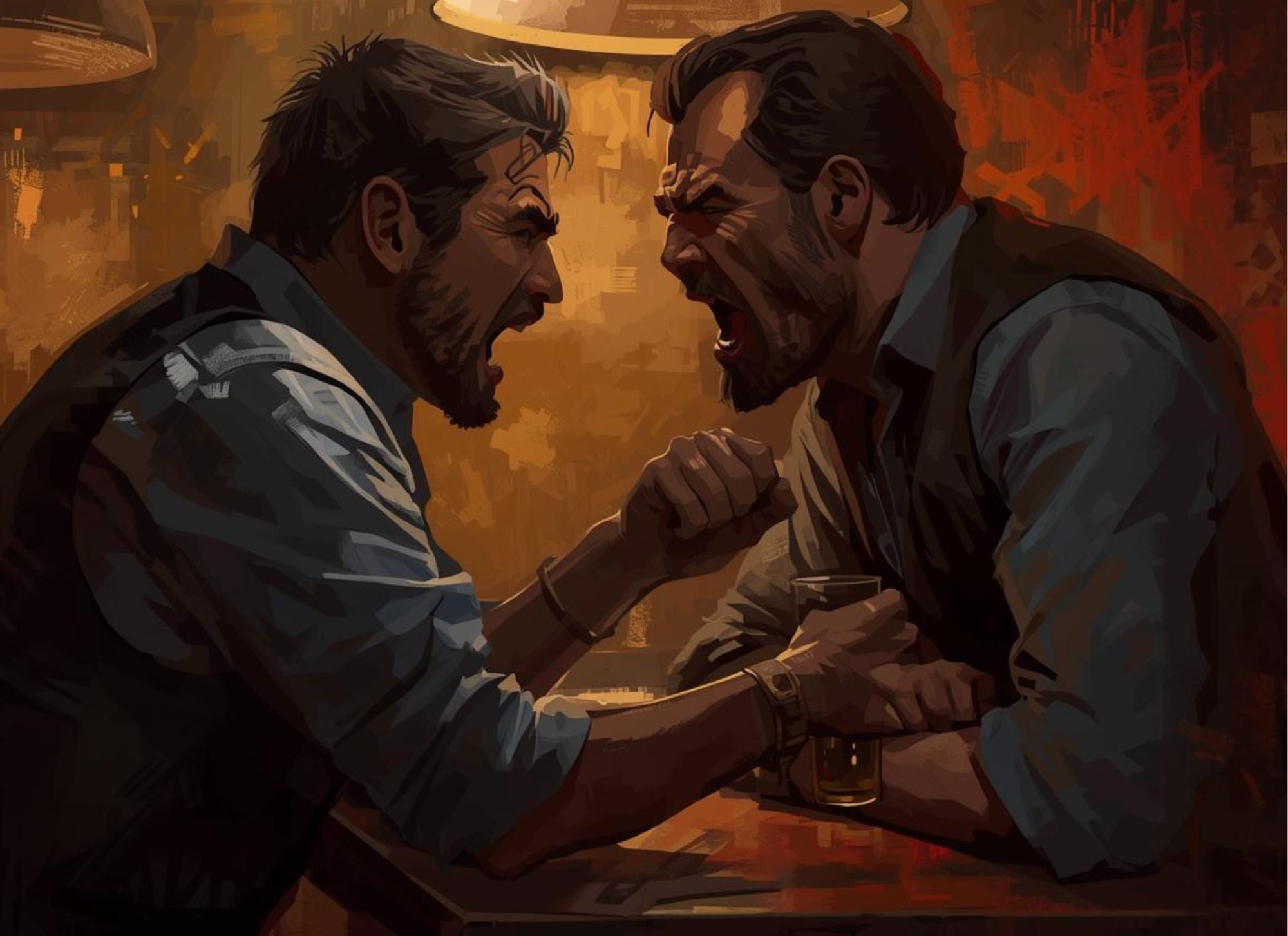
- Physical confrontation (fight, chase, battle)
- Verbal disagreement (argument, debate, negotiation)
- Internal struggle (competing desires, moral dilemmas)
- Environmental obstacle (character vs. nature, society, circumstance)
- Subtle tension (unspoken desires, hidden agendas, suppressed feelings)
Example of conflict WITHOUT fighting:
Sarah sat across from her mother at the coffee shop. “The job in Seattle starts in two weeks,” she said.
Her mother smiled, the same smile she’d used when Sarah announced her engagement to the man Mom hated. “That’s wonderful, honey.”
“You think it’s a mistake.”
“I didn’t say that.”
“You didn’t have to.” Sarah gripped her cup. “I’m going anyway.”
“Of course you are.” The smile never wavered. “You always do.”
The conflict: Sarah’s need for independence vs. mother’s desire for control, both avoiding direct confrontation while tension crackles between every word.
No punches thrown. Voices barely raised. Pure conflict.
The Two Dimensions of Conflict
1. Surface Conflict (Explicit and Visible)
Definition: Opposition demonstrated through action, dialogue, or observable behavior
Examples:
- Detective pursuing suspect who’s fleeing
- Two characters arguing about relationship
- Protagonist attempting dangerous physical feat
- Character defying authority figure openly
- Lovers from feuding families trying to be together
Reader experience: Clear, immediate tension. We see the conflict play out.
2. Deep Conflict (Implicit and Underlying)
Definition: Opposition that exists beneath surface action, often unspoken or internal
Examples:
- Character living in oppressive society, every “normal” action contains risk
- Person hiding crucial secret while interacting normally
- Internal struggle between competing desires or values
- Threat looming but not yet manifested
- Relationship where true feelings remain unspoken
Reader experience: Sustained tension even in quiet moments. We feel the pressure beneath normalcy.
The Power of Layered Conflict
The most compelling fiction combines both dimensions:
Example from 1984 by George Orwell:
Surface conflict: Winston’s attempts to evade surveillance, meet Julia, join resistance
Deep conflict: Mere existence of free thought in totalitarian state is dangerous. Every moment contains threat, even when nothing “happens.”
Result: Relentless tension even in scenes without explicit action.
Example from Normal People by Sally Rooney:
Surface conflict: Connell and Marianne’s on-again, off-again relationship, specific arguments and breakups
Deep conflict: Class differences, inability to communicate honestly, fear of vulnerability, competing needs for intimacy and independence
Result: Every interaction carries weight beyond the immediate conversation.
Why Conflict Is Actually Essential (The Oxygen Metaphor)
Conflict as Life Force
Like oxygen, conflict:
1. Sustains life Without any conflict, a novel isn’t really a novel—it’s just words on paper describing pleasant moments. No tension = no story.
2. Can be modulated Like adjusting oxygen levels, you can vary conflict intensity—from roaring flame to slow burn, both effective for different purposes.
3. Becomes dangerous if completely absent too long Sustained periods without any conflict cause reader “suffocation”—attention drifts, investment fades, the book gets put down.
4. Doesn’t need to be visible to be present Like oxygen in the air, conflict can be subtle and pervasive without being obvious.
What Happens Without Conflict
Scenario: A novel where protagonist and their world are in harmony:
Emma woke up happy. She loved her job and her boss appreciated her. Her relationship with Marcus was perfect—they never disagreed about anything. Her family was supportive. She had no problems, fears, or desires beyond contentment. Every day unfolded peacefully.
Reader reaction: “So… why am I reading this?”
The problem: No tension = no questions = no reason to turn the page.
Readers need:
- Questions about outcome (“Will they succeed or fail?”)
- Uncertainty about resolution (“How will this turn out?”)
- Investment in character struggle (“I need to know if they overcome this!”)
Without conflict, none of these exist.
The “Serene Stretch” Exception
Does this mean you can never have peaceful moments?
Absolutely not.
Great novels contain passages of serenity, reflection, and beauty. But examine them closely—they typically:
1. Provide respite FROM conflict The peace matters because it contrasts with surrounding tension
2. Build toward future conflict Calm before the storm, where readers sense gathering threat
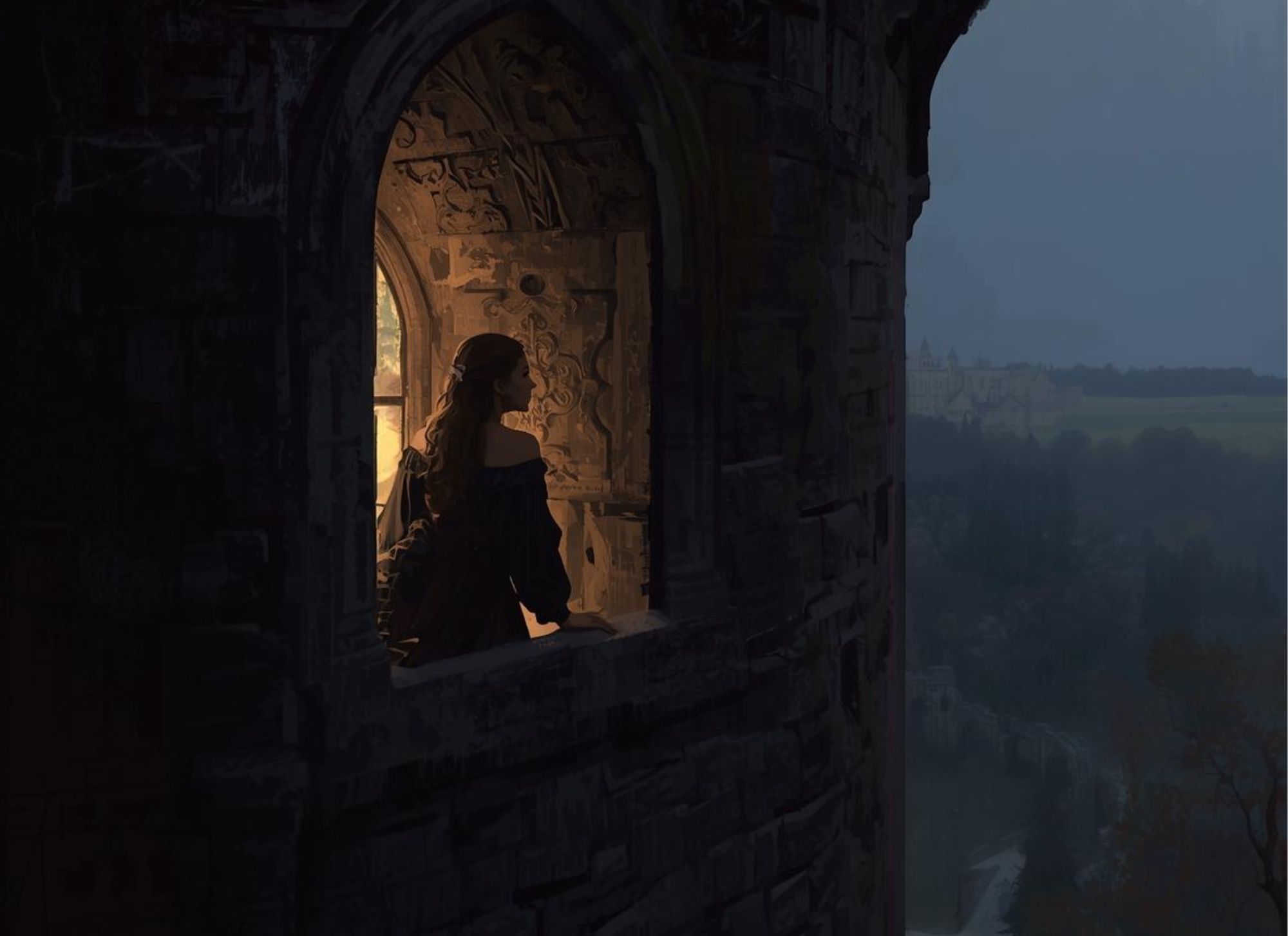
3. Contain subtle underlying tension Surface calm while deep conflict percolates beneath
4. Reveal character processing conflict Quiet moment where character reflects on struggles
Example: The Road by Cormac McCarthy
McCarthy includes moments of relative peace—father and son finding a bunker with supplies, brief respites from immediate danger. But:
- These moments contrast with pervasive threat
- Underlying conflict (survival in apocalypse) never disappears
- Peace is temporary and precious because of surrounding danger
- We sense the next threat approaching
The serene moments work BECAUSE of the conflict framing them.
The Conflict Spectrum: Intensity and Type
Mapping Conflict Intensity
Fiction exists on a spectrum from:
Relentless/High-Intensity → Measured/Medium-Intensity → Subtle/Low-Intensity
All three can work brilliantly. The key is matching intensity to your story and varying it strategically.
High-Intensity Conflict (The Thriller Model)
Characteristics:
- Rapid-fire obstacles
- Immediate physical or psychological danger
- Short scenes with high stakes
- Frequent climactic moments
- Minimal breathing room
When it works:
- Genre fiction (thrillers, action, horror)
- Specific tense sequences in any genre
- Climactic sections of novels
- When you want breathless pacing
Contemporary example: The Silent Patient by Alex Michaelides
The therapy sessions between Theo and Alicia contain intense psychological conflict—each exchange matters, every detail potentially crucial, stakes constantly escalating.
Example: Gone Girl by Gillian Flynn
Especially the second half—revelations, confrontations, escalating danger. Flynn rarely lets readers breathe.
Medium-Intensity Conflict (The Balanced Model)
Characteristics:
- Clear obstacles but varied pacing
- Mix of external and internal conflict
- Alternating intensity levels
- Breathing room balanced with tension
- Sustained but not exhausting
When it works:
- Literary fiction with plot
- Character-driven genre fiction
- Multi-threaded narratives
- Most contemporary fiction
Contemporary example: Where the Crawdads Sing by Delia Owens
Owens varies intensity:
- High: Chase’s death, trial scenes
- Medium: Kya’s daily survival challenges
- Lower: Nature observations, quiet growth moments
All contain conflict (Kya vs. society, vs. nature, vs. loneliness) but intensity fluctuates.
Subtle/Low-Intensity Conflict (The Literary Model)
Characteristics:
- Primarily internal or relational
- Slow-building tension
- Quiet but persistent opposition
- Emphasis on psychological nuance
- Conflict often beneath surface
When it works:
- Literary fiction
- Character studies
- Domestic fiction
- Contemplative narratives
Contemporary example: A Little Life by Hanya Yanagihara
Conflict is often internal (Jude’s trauma) or relational (friendship tensions), rarely explosive but constantly present. Even quiet moments contain Jude’s ongoing struggle.
Example: Normal People by Sally Rooney
Much of the conflict is unspoken—what Connell and Marianne don’t say, class tensions they navigate, internal struggles they process silently.
Subtle doesn’t mean absent—these novels are saturated with conflict, just not loud conflict.
How to Introduce Conflict: The Obstacle Framework
The Core Principle
Conflict emerges when characters want something and face obstacles preventing them from getting it.
Character desire + Obstacle = Conflict
Without desire, obstacles are just inconveniences. Without obstacles, desire is just wish fulfillment.
Both together create conflict worth reading.
Types of Obstacles Creating Conflict
1. Character vs. Character
Structure: Two (or more) characters want incompatible things
Examples:
- Protagonist wants to leave relationship; partner wants to stay
- Detective wants to catch criminal; criminal wants to escape
- Siblings fighting over inheritance
- Romantic rivals pursuing same person
- Colleagues competing for promotion
Contemporary example: The Hating Game
Lucy wants promotion and to maintain emotional distance. Joshua wants same promotion and (eventually) connection with Lucy. Their competing desires create constant conflict.
2. Character vs. Self
Structure: Character has competing internal desires or struggles with their own nature
Examples:
- Addiction recovery (want sobriety vs. crave substance)
- Moral dilemmas (safety vs. doing right thing)
- Fear vs. necessity (must act despite terror)
- Past trauma blocking present growth
- Identity confusion or self-denial
Contemporary example: The Midnight Library
Nora’s conflict is largely internal—her depression, regret, struggle to find meaning. Even choosing to explore alternate lives is conflict with her desire to escape vs. need to understand.
3. Character vs. Society/System
Structure: Character opposed to larger social, political, or institutional forces
Examples:
- Oppressive government
- Unjust legal system
- Discriminatory society
- Corrupt organization
- Cultural expectations constraining individual
Contemporary example: The Hate U Give
Starr’s conflict with racist police system, media narratives about victims, pressure to stay silent vs. speak truth.
4. Character vs. Nature/Circumstances
Structure: Environmental or situational obstacles beyond character control
Examples:
- Survival situations (stranded, natural disaster)
- Illness or physical limitations
- Resource scarcity
- Time constraints
- Geographic barriers
Contemporary example: The Martian
Mark Watney vs. Mars—constant environmental threats, resource limitations, physical danger from hostile planet.
5. Character vs. Unknown/Mysterious Force
Structure: Character facing threat they don’t fully understand
Examples:
- Mystery investigations
- Horror/supernatural threats
- Conspiracy unraveling
- Medical mysteries
- Psychological uncertainty
Contemporary example: Mexican Gothic
Noemí vs. the house’s mysterious power—she knows something’s wrong but must discover what she’s actually fighting.
The Escalation Principle
Effective conflict escalates throughout the novel:
Early obstacles: Moderate difficulty, test character’s baseline capabilities
Middle obstacles: Increased difficulty, require character growth or change
Late obstacles: Maximum difficulty, demand everything character has learned plus sacrifice/risk
This creates natural pacing and sense of progression.
Common Conflict Mistakes (And Fixes)
Mistake 1: Conflict-Free Dialogue
The problem: Characters chat pleasantly about nothing, agreeing with each other for pages.
Example:
“How are you?” Sarah asked. “Good, thanks. You?” “Also good. Nice weather we’re having.” “It really is. I love spring.” “Me too. Want some coffee?” “That sounds great.”
[Three pages of this]
Why it fails: No tension, no opposing desires, no reason for scene to exist.
The fix: Give characters different agendas
Revised:
“How are you?” Sarah asked, eyes on the door. “Worried about Marcus showing up?” Her mother’s voice had that edge. “I’m not—” “You invited him, didn’t you? After I specifically asked you not to.” “You don’t get to control my guest list.” “In my house, I do.”
Now there’s conflict: Competing desires (Sarah’s independence vs. mother’s control) create tension even in simple conversation.
Mistake 2: Happy Relationship Scenes
The problem: Couple gets together and all conflict evaporates. Pages of them being adorable together.
Why it fails: No obstacle = no story. Readers sense the narrative void.
The fix: External or internal obstacles continue
Even happy couples face:
- External threats to relationship
- Individual goals creating tension
- Growing pains and adjustments
- Past wounds resurfacing
- Different communication styles
- Family/friend complications
Example: Red, White & Royal Blue
Even after Alex and Henry get together, conflicts continue:
- Secrecy requirements (royal protocols)
- Public vs. private identity
- Career/duty vs. personal desires
- Family pressures
- Geographic separation
Their love is real, but obstacles remain—keeping conflict alive.
Mistake 3: Passive Protagonists
The problem: Things happen TO character, but character doesn’t actively pursue goals or encounter obstacles in that pursuit.
Why it fails: No active desire meeting resistance = no real conflict.
The fix: Character wants something and actively tries to get it
Passive (weak): Emma waited to see if she’d get the promotion. Events happened around her. She reacted.
Active (strong): Emma wanted the promotion desperately. She worked 80-hour weeks, sabotaged her rival’s presentation, alienated her mentor by going over his head. Every move met resistance—office politics, her own moral discomfort, obstacles she created through her choices.
Mistake 4: Easy Resolutions
The problem: Conflict introduced but resolved too quickly or easily.
Example:
“We need to talk about your drinking,” she said. “You’re right. I’ll stop.” He poured the bottle down the drain.
Why it fails: No struggle = no weight to resolution. Feels unearned.
The fix: Make resolution difficult, multi-stage, uncertain
Revised:
“We need to talk about your drinking,” she said. “I’m fine.” “You’re not. You haven’t been sober in three months.” “I can stop whenever I want.” “Then stop.” He stared at the bottle. Tomorrow. He’d stop tomorrow. But tonight… “I will. Just not tonight.”
[Followed by actual struggle, relapses, effort, setbacks before any resolution]
Mistake 5: Conflict Vacuum in Middle
The problem: Strong opening conflict, strong ending conflict, but mushy middle where conflict fades.
Why it fails: Readers lose investment when tension drops too much.
The fix: Ensure every scene contains conflict
Map your middle section:
- What does character want in each scene?
- What obstacle prevents them getting it?
- How does this connect to larger conflict arc?
If you can’t answer these, your scene may lack conflict.
Conflict and Pacing: The Rhythm of Tension
Understanding Narrative Rhythm
Like music, novels establish rhythm through conflict patterns:
Fast rhythm (thriller): Conflict → Brief resolution → New conflict → Brief resolution (rapid cycling)
Medium rhythm (most commercial fiction): Conflict → Development → Escalation → Resolution → New conflict
Slow rhythm (literary fiction): Underlying tension → Subtle escalation → Internal processing → Quiet crisis
Readers internalize your rhythm from opening pages and expect it to continue (with escalation toward climax).
When Pacing Feels “Off”
Too slow: Long stretches without conflict where “nothing happens” → Readers think: “When does the story get back on track?”
Too fast: Relentless action without breathing room or processing → Readers feel: “Exhausted. Can’t keep up. Losing track.”
Inconsistent: Rhythm established then abandoned → Readers sense: “Something feels wrong. This doesn’t match the book’s earlier pacing.”
Fixing Pacing Problems
If too slow:
- Identify conflict-free stretches
- Add obstacles to existing scenes
- Cut or compress scenes lacking conflict
- Tie events back to main plot/character goals
If too fast:
- Insert reflective moments (still containing underlying conflict)
- Allow character processing time
- Include consequences/aftermath of action
- Vary scene length and intensity
If inconsistent:
- Maintain your established rhythm
- Escalate gradually, don’t jump
- If you must shift rhythm, do so deliberately at major turning point
Genre-Specific Conflict Strategies
Literary Fiction
Primary conflict: Often internal or relational, subtle but persistent
Strategies:
- Deep psychological conflicts
- Unspoken tensions in relationships
- Character vs. society/expectations
- Internal moral or identity struggles
- Quiet but devastating conflicts
Example: The Goldfinch Theo’s conflict is partly external (the painting) but primarily internal (guilt, identity, addiction, meaning).
Romance
Primary conflict: Obstacles preventing romantic union
Strategies:
- External barriers (circumstances, other people)
- Internal barriers (fear, past wounds)
- Misunderstandings and miscommunication
- Competing life goals
- Character flaws preventing intimacy
Example: Beach Read January and Gus face external conflict (careers, geographic) and internal (grief, cynicism vs. optimism, fear of vulnerability).
Mystery/Thriller
Primary conflict: Protagonist vs. antagonist/threat, often with time pressure
Strategies:
- Escalating danger
- Competing forces pursuing same goal
- Ticking clocks
- Reversals and setbacks
- Multiple conflict layers
Example: The Woman in the Window Anna vs. possible murderer, but also Anna vs. her own trauma/unreliability, Anna vs. those who don’t believe her.
Fantasy/Science Fiction
Primary conflict: Often world-level threats plus personal stakes
Strategies:
- Character vs. oppressive system/regime
- World-ending threats requiring action
- Power struggles (political, magical)
- Identity and belonging conflicts
- Moral dilemmas about power use
Example: The Broken Earth trilogy Essun vs. oppressive society, vs. those who kidnapped her daughter, vs. world-ending threat, vs. her own nature/powers.
Your Conflict Audit: Evaluating Your Manuscript
Scene-by-Scene Check
For every scene, identify:
- [ ] What does the POV character want in this scene?
- [ ] What obstacle prevents them from getting it?
- [ ] Is there surface conflict (visible action/dialogue)?
- [ ] Is there deep conflict (underlying tension)?
- [ ] Does conflict escalate from previous scenes?
- [ ] Does conflict connect to larger story arc?
If you can’t answer the first two questions, the scene likely lacks conflict.
The “Could Cut” Test
For scenes you’re uncertain about:
Ask: “If I cut this scene entirely, would readers notice plot-wise?”
If NO: The scene may exist only for atmosphere or character moments—which is fine IF it contains some conflict (even subtle).
If scene has no conflict AND isn’t plot-essential, consider cutting or adding conflict.
Opening 50 Pages Rhythm Check
Your opening establishes pacing expectations.
Check:
- [ ] Is conflict introduced within first 10 pages?
- [ ] Do subsequent scenes maintain or escalate conflict?
- [ ] Is rhythm consistent (whatever rhythm you’ve chosen)?
- [ ] Are there conflict-free stretches longer than a few pages?
Readers calibrate expectations from your opening. Don’t bait-and-switch.
Frequently Asked Questions: Conflict
Do I really need conflict in EVERY scene?
Not necessarily in the sense of arguments or fights. But every scene should have some form of opposition—character wanting something and facing obstacles, or underlying tension even in peaceful moments.
Can characters ever just… be happy?
Yes, but those moments typically work best as:
- Brief respites contrasting with surrounding conflict
- Calm before storm
- Victory celebrations (after conflict resolution)
- Underlying tension still present
What about plotless character studies?
Even character studies contain conflict—internal struggles, relationship tensions, character vs. expectations. Absence of external plot doesn’t mean absence of conflict.
How do I know if I have enough conflict?
Beta readers will tell you. If they describe your manuscript as “slow,” “nothing happens,” or “I put it down and didn’t feel urgency to pick it back up,” you likely need more conflict.
Can you have too much conflict?
Yes—relentless intensity without breathing room exhausts readers. Vary intensity, include processing time, allow quiet moments (with underlying tension).
What’s the difference between conflict and drama?
Conflict = opposition between desires/forces. Drama = heightened emotional expression of conflict. You can have quiet conflict or loud drama—they’re not synonyms.
Your Action Plan: Embracing Conflict
This week:
- List every scene in your first three chapters
- Identify the conflict in each scene
- Note any scenes where you struggle to identify conflict
This month:
- For scenes lacking clear conflict, add obstacles
- Vary conflict intensity throughout manuscript
- Ensure both surface and deep conflict are present
- Check that conflict escalates toward climax
This revision:
- Map conflict arc across entire novel
- Identify and fix mushy middle sections
- Verify every major scene has clear obstacles
- Balance intensity—breathing room amid tension
Conclusion: Conflict as Your Novel’s Lifeblood
The advice “put conflict on every page” oversimplifies, but the underlying truth remains: without conflict, you don’t have a novel.
You have a description of events, not a story.
The sophisticated approach:
- Understand conflict exists in many forms (subtle to explosive)
- Recognize both surface and deep conflict (visible and underlying)
- Vary intensity strategically (breathless to meditative)
- Ensure obstacles consistently challenge character pursuits
- Allow breathing room (but maintain underlying tension)
Your job: Create opposition—between character and obstacle, between competing desires, between what is and what should be.
Do that consistently, vary it skillfully, and you’ve mastered one of fiction’s most fundamental requirements.
Without conflict, a man walks contentedly down the street. With conflict, that man faces the choice of his life, the test of his character, and the revelation of who he truly is.
That’s the difference between pleasant words on a page and a novel readers can’t put down.