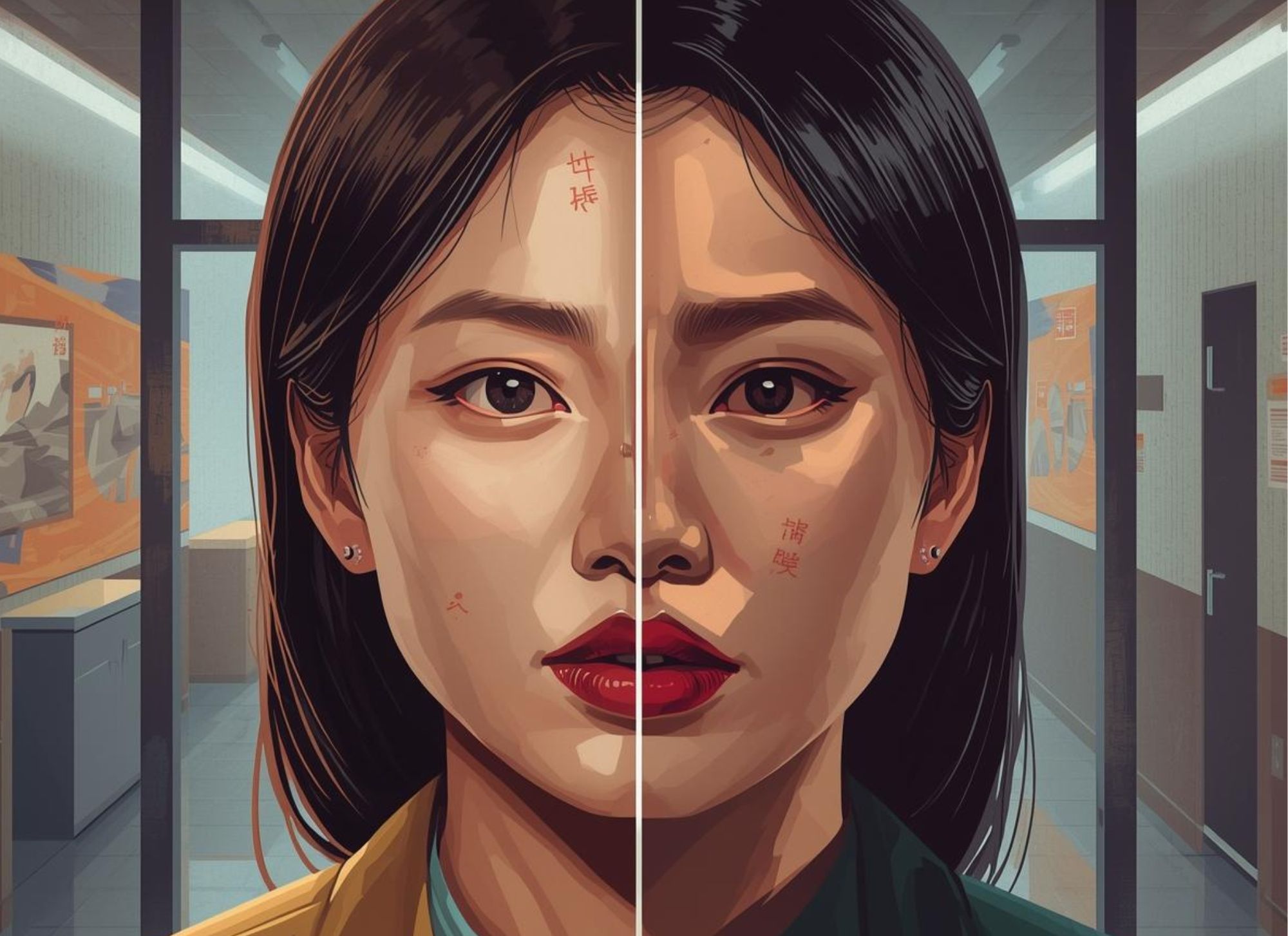


How to stop treating character and plot as separate elements and start building stories where they’re inseparably intertwined
The False Binary That’s Poisoning Your Fiction
Walk into any writing workshop or online forum and you’ll encounter The Great Divide:
Camp Character: “I write literary fiction. My work explores the human condition through complex, layered protagonists. Plot is secondary to psychological depth.”
Camp Plot: “I write stories where things actually happen. My readers want momentum, not navel-gazing. Character development is fine, but not at the expense of pacing.”
Both camps are equally convinced they’re right. Both camps are equally wrong.
Here’s the uncomfortable truth: treating character and plot as separate, competing elements is like debating whether a car needs an engine or wheels. The question itself reveals a fundamental misunderstanding of how stories actually work.
According to a 2024 analysis of bestselling novels across all genres, books rated highest for both “compelling characters” and “engaging plot” outsold books strong in only one dimension by 340%. Readers don’t want to choose between character and plot—they want both, perfectly integrated.
This comprehensive guide will dismantle the character-vs-plot false binary and teach you how to craft stories where character and plot are so thoroughly intertwined that separating them would destroy the narrative.
Understanding the Integration: Why Character and Plot Are the Same Thing
The Fundamental Principle
Plot is not what happens TO characters. Plot is what happens BECAUSE OF and THROUGH characters.
This distinction changes everything.
The Old (Wrong) Model:
- Character exists
- Plot events happen to them
- Character reacts (or doesn’t)
- Plot continues regardless
The Integrated Model:
- Character has desires, fears, flaws
- Character makes choices based on these qualities
- Choices create events (plot)
- Events reveal/test character
- New revelations lead to new choices
- New choices create new events
See the difference? In the integrated model, character and plot generate each other in continuous feedback loop.
The Circular Causation Concept
Great stories operate on circular causation between character and plot:
Character traits → Decisions → Plot events → Character growth → New decisions → New plot events
Remove character, and plot becomes arbitrary events happening to cardboard cutouts. Remove plot, and character becomes static description with no testing ground.
Neither can exist meaningfully without the other.
Why the Binary Persists (And Why It’s Wrong)
The false binary survives because:
- Some books emphasize one element more visibly (literary vs. thriller)
- Writers often discover stories through either character or plot first
- Criticism tends to praise one dimension more than the other
- Writing advice sometimes treats them as separate craft elements
But emphasis ≠ separation.
A character-focused literary novel still has plot (protagonist’s choices create consequences). An action thriller still has character (hero’s specific qualities determine how they navigate danger).
The difference is emphasis and pacing, not whether both elements exist.
The Three Laws of Character-Plot Integration
Law #1: Plot Reveals Character
Character isn’t what you tell readers in backstory dumps or interior monologues. Character is what people DO when tested.
The Testing Principle:
Any character trait only becomes real when plot events test it.
Examples:
Claim: “Sarah is brave” Test: Does Sarah act bravely when faced with actual danger? If yes: Trait is confirmed through plot If no: We learn Sarah isn’t actually brave, or brave only in certain contexts
Without plot testing, character traits are just unproven assertions.
The Revelation Through Crisis:
The most powerful character revelations occur under pressure:
- How does compassionate character behave when showing compassion endangers them?
- How does logical character function when emotion overwhelms logic?
- How does loyal character respond when loyalty conflicts with other values?
Plot provides the pressure. Character provides the response. The combination creates meaning.
Law #2: Character Determines Plot
Plot shouldn’t feel arbitrary or author-imposed. It should feel like the inevitable result of this specific character in this specific situation.
The Inevitability Test:
Could a different protagonist face the same exact plot events and make identical choices?
If yes: Your plot is driving character (weak) If no: Your character is driving plot (strong)
Example: The Inheritance Plot
Generic version: Character inherits money → Character spends money → Consequences occur
This plot could happen to anyone. The character is interchangeable.
Integrated version:
Character is: Frugal accountant who values security above all else Plot emerges: Inheritance creates temptation to finally take risks vs. safe investment Specific to character: Only THIS character would struggle this way with this windfall
The plot is generated by character qualities, not imposed externally.
The Choice-Consequence Chain:
Strong integration follows this pattern:
- Character quality is established
- Situation activates that quality
- Character makes choice based on their nature
- Choice creates plot consequence
- Consequence reveals more about character
- New situation emerges from consequence
- Repeat
Each link in the chain is both character development AND plot advancement.
Law #3: Plot and Character Transform Together
If your character changes but your plot doesn’t respond to that change, or if plot events happen without affecting character, you’ve broken integration.
The Mutual Transformation Principle:
- As character grows/changes, they make different choices
- Different choices alter plot trajectory
- New plot circumstances require further character evolution
- Character evolution enables new plot possibilities
Example: The Coward’s Journey
Beginning:
- Character is cowardly (character trait)
- Avoids confrontation when threatened (plot event shaped by character)
- Threat escalates because character didn’t confront it (plot consequence)
Middle:
- Escalated threat forces character to act (plot pressure)
- Character acts despite fear, discovers courage (character growth)
- Successful action creates new opportunities (plot shift resulting from growth)
End:
- Character now brave enough to seek final confrontation (character transformation)
- Actively pursues antagonist instead of fleeing (plot trajectory changed by transformation)
- Transformation makes victory possible (character growth enables plot resolution)
At every stage, character state determines plot events, and plot events determine character state.
The Four Integration Techniques Every Writer Needs
Technique #1: The Character-Specific Plot Design
Design plot events specifically to test your protagonist’s unique qualities.
The Process:
Step 1: Identify character’s core traits (3-5 defining qualities)
Step 2: For each trait, create situations that:
- Test whether it’s real or performative
- Force it into conflict with other traits
- Push it to extremes
- Require it to evolve
Step 3: Link these situations in causal chain
Example:
Character traits: Loyal, secretive, self-sacrificing
Plot events designed to test:
- Loyalty tested when friend asks character to betray another friend
- Secrecy tested when truth-telling would help someone they love
- Self-sacrifice tested when helping others requires self-preservation
These aren’t random obstacles. They’re specifically designed to reveal and challenge THIS character.
Technique #2: The Choice Architecture
Structure your plot as a series of escalating choices that reveal character through decisions.
The Framework:
Every major plot point should be:
- A choice the character must make
- With no obviously correct answer
- That reveals their priorities
- That creates the next plot complication
Not: Things happening TO character Instead: Character choosing between difficult options
Example Structure:
Plot Point 1: Character chooses safety over truth
- Reveals they prioritize security
- Creates consequence: truth doesn’t emerge, problem worsens
Plot Point 2: Character chooses loyalty over self-interest
- Reveals hierarchy: loyalty > security
- Creates consequence: puts them at risk
Plot Point 3: Character must choose between loyalty and greater good
- Forces them to prioritize between two values
- Creates consequence: whatever they choose, someone gets hurt
Each choice IS character development AND plot advancement simultaneously.
Technique #3: The Obstacle-Character Alignment
Design obstacles that specifically challenge your character’s weaknesses while requiring their strengths.
The Principle:
The best plot obstacles:
- Target the character’s vulnerable points (forcing growth)
- Require the character’s specific strengths (making them essential)
- Can’t be solved by a different character (proving this story needs THIS protagonist)
Example:
Character: Brilliant but arrogant scientist Weak obstacle: Generic monster attacks Strong obstacle: Disease requiring collaboration with rival scientist they’ve alienated through arrogance
The strong obstacle:
- Targets weakness (arrogance created the interpersonal problem)
- Requires strength (brilliance needed to solve disease)
- Character-specific (only someone who’d alienated the exact right person would face this problem)
Technique #4: The Internal-External Plot Mirror
Create external plot events that mirror and externalize internal character conflicts.
The Mirroring Principle:
External plot should metaphorically represent internal character journey.
Example:
Internal conflict: Character torn between two identities (cultural heritage vs. assimilation) External plot: Character physically travels between homeland and adopted country, must choose which to save Integration: External journey mirrors and forces resolution of internal conflict
The plot isn’t separate from character development—it’s the vehicle for making internal conflict visible and resolvable.
Advanced Variation: The Symbolic Obstacle
Make antagonists/obstacles embody character’s internal struggles:
- Character battling addiction faces antagonist who’s essentially addiction personified
- Character struggling with rage faces antagonist who succeeds through emotional control
- Character avoiding vulnerability faces situation requiring complete openness
Diagnosing Character-Plot Separation in Your Manuscript
Warning Sign #1: The Interchangeable Protagonist
Test: Could you swap your protagonist for a different character with minimal plot changes?
If yes: Your plot is driving character, not vice versa
Fix: Redesign plot events to require your specific protagonist’s unique qualities
Warning Sign #2: The Static Journey
Test: Is your character the same person at the end as the beginning, despite plot events?
If yes: Plot isn’t affecting character
Fix: Ensure plot events create pressure for character transformation
Warning Sign #3: The Arbitrary Plot
Test: Do plot events feel random or author-imposed rather than character-generated?
If yes: Character isn’t driving plot
Fix: Ensure plot events emerge from character decisions and consequences
Warning Sign #4: The Description-Heavy Opening
Test: Can you describe your character for pages without anything happening?
If yes: You’re treating character as separate from plot
Fix: Reveal character through action from page one
Warning Sign #5: The Passive Protagonist
Test: Do things happen TO your protagonist while they mostly react?
If yes: Weak integration—character should drive events
Fix: Give character agency in creating plot complications
The Integration Audit: A Practical Framework
For Every Major Scene, Ask:
Character Questions: □ How does this scene reveal character? □ What choice does character make? □ How does their specific personality shape events? □ What do we learn about them we didn’t know before?
Plot Questions: □ How does this scene advance the story? □ What changes between start and end of scene? □ What new complication emerges? □ How does this create the next plot beat?
Integration Questions: □ Could this exact plot event happen with a different protagonist? □ Does character choice create the plot consequence? □ Does plot event force character growth/revelation? □ Are character and plot advancing simultaneously?
If you can answer character questions but not plot questions (or vice versa), you’ve broken integration.
Case Studies: Perfect Character-Plot Integration
Case Study #1: Breaking Bad
Why it works:
Character: Walter White is prideful, brilliant, underappreciated, terminally ill Plot emerges from character:
- Pride prevents accepting charity → must earn money himself → chooses cooking meth
- Brilliance makes him exceptional at meth production → rises in drug world
- Need to feel powerful → makes increasingly dangerous choices
- Each choice creates next complication
Integration:
- Plot is sequence of Walter’s choices and their consequences
- Can’t separate “Walter’s character arc” from “plot events”
- Different protagonist would create entirely different plot
- Plot events force Walter to become Heisenberg
Case Study #2: Pride and Prejudice
Why it works:
Character: Elizabeth is proud, quick to judge, values independence Plot emerges from character:
- Pride causes her to reject Darcy initially
- Prejudice blinds her to Wickham’s true nature
- Independence makes her resist social pressure
- Each misunderstanding stems from her character traits
Integration:
- Every plot complication emerges from Elizabeth’s personality
- Her growth (overcoming pride/prejudice) IS the plot
- Plot events (Darcy’s letter, visiting Pemberley) force character evolution
- Character transformation enables plot resolution (accepting Darcy)
Case Study #3: The Hunger Games
Why it works:
Character: Katniss is protective, self-reliant, distrusts authority Plot emerges from character:
- Protectiveness causes her to volunteer (inciting incident)
- Self-reliance shapes her Games strategy
- Distrust of authority drives rebellion subplot
- Each action stems from these core traits
Integration:
- Plot events test Katniss’s specific qualities
- Her choices (berries, Mockingjay) create political consequences
- Can’t remove Katniss and keep same plot
- Character arc and rebellion arc are inseparable
Advanced Integration Strategies
Strategy #1: The Desire-Obstacle Perfect Match
Design your central conflict so protagonist’s desire and antagonist’s strength are perfectly matched.
Formula:
- Protagonist wants X because of character trait Y
- Antagonist prevents X by exploiting trait Y
- Resolution requires protagonist to evolve trait Y
Example:
Protagonist wants: Justice (because of strong moral code) Antagonist strength: Uses legal system to evade justice Perfect match: Protagonist’s rigid morality prevents them from using morally gray methods that would actually achieve justice Resolution requires: Learning when to bend rules to serve greater good
Strategy #2: The Escalating Revelation
Plot events should progressively reveal deeper character layers.
Structure:
Surface plot (Act 1): Events reveal surface traits Deeper plot (Act 2): Events reveal underlying motivations
Core plot (Act 3): Events reveal/test fundamental character essence
Example:
Act 1 events reveal: Character is brave Act 2 events reveal: Bravery masks deep fear of abandonment Act 3 events reveal: Fear stems from childhood trauma, must be confronted
Each plot layer peels back character layer.
Strategy #3: The Relationship as Plot Engine
In stories centered on relationships, character dynamics ARE the plot.
The Model:
- Character A’s trait conflicts with Character B’s trait
- Conflict creates plot events
- Plot events force characters to understand each other
- Understanding changes how they interact
- New interaction pattern creates new plot events
Relationship evolution IS plot progression.
Genre-Specific Integration Approaches
Literary Fiction
Heavy emphasis on internal character landscape, but plot events still required to externalize and test internal struggles. The “plot” may be subtle, but character’s choices must have consequences.
Mystery/Thriller
Plot seems to drive (the mystery must be solved), but detective’s specific qualities determine HOW they solve it. Different detective = different investigation approach = different plot path.
Romance
Relationship development IS plot. Character emotional arcs and relationship plot are identical. Every romantic beat is both character growth and plot advancement.
Fantasy/Science Fiction
World-building and high-concept plots can obscure character, but best examples (LOTR, Dune) show character driving plot. Magic systems/tech should interact with character qualities.
Young Adult
Coming-of-age plot IS character development plot. External adventures facilitate internal growth. Character discovering who they are IS the story.
Common Integration Mistakes and Fixes
Mistake #1: Plot-Then-Character Approach
Error: “I have this great plot idea. Now I need to create a character to put through it.”
Problem: Creates interchangeable protagonist serving the plot
Fix: Start with character essence, let plot emerge from their specific nature in specific circumstances
Mistake #2: Character-Then-Plot Approach
Error: “I have this fascinating character. Now I need a plot to show them off.”
Problem: Creates arbitrary plot that doesn’t organically connect to character
Fix: Ask “What situation would most test/reveal this specific character?” Build plot from that answer
Mistake #3: The Parallel Tracks
Error: Character arc happens alongside plot but doesn’t intersect with it
Example: Character learns to trust people (character arc) while also solving murder (plot). These don’t connect—character could distrust everyone and still solve murder.
Fix: Make character arc NECESSARY for plot resolution. Character must learn to trust in order to get information needed to solve murder.
Mistake #4: The Forced Growth
Error: Plot forces character to change, but change doesn’t feel earned
Example: Character is greedy for 200 pages, then suddenly generous in climax because plot requires it
Fix: Build gradual transformation. Each plot event should create small shifts that accumulate into transformation.
Mistake #5: The Consequence-Free Character
Error: Character makes choices but plot proceeds regardless
Fix: Ensure character choices directly create next plot complication. If they chose differently, different event would result.
Your Action Plan: Achieving Perfect Integration
Week 1: Character-Plot Audit
- List your major plot events
- For each, identify: How does this specifically test my protagonist?
- Note disconnections where plot feels arbitrary
Week 2: Choice Architecture
- Convert passive “things happen to character” into active character choices
- Ensure each choice creates the next plot complication
- Verify choices reveal character priorities
Week 3: Obstacle Redesign
- Audit obstacles for character-specificity
- Redesign generic obstacles to target protagonist’s specific vulnerabilities
- Ensure obstacles require protagonist’s specific strengths
Week 4: Integration Verification
- Scene-by-scene check: Am I advancing both character and plot?
- Identify scenes that advance only one
- Revise or cut scenes that don’t serve both
Final Thoughts: The Unified Story
The character-vs-plot debate is a distraction from what actually makes stories work: the seamless integration of who characters are with what happens to them.
Your protagonist’s personality isn’t a static trait you describe in chapter one then maintain throughout. It’s a dynamic force that shapes events, responds to circumstances, evolves through experience, and ultimately determines whether the story ends in triumph or tragedy.
Your plot isn’t a sequence of events that would unfold identically regardless of who experiences them. It’s the specific series of complications that emerge when this particular character, with these particular qualities, pursues this particular goal in this particular world.
When you achieve true integration:
- Every plot event reveals character
- Every character trait generates plot
- Character transformation and plot progression are indistinguishable
- The story couldn’t exist with different protagonist or different plot
Stop asking whether you’re writing a “character-driven” or “plot-driven” story. You’re writing a story where character and plot are so perfectly fused that readers never think to separate them.
Review your current manuscript: Can you tell the plot without referencing character qualities? Can you describe character arc without referencing plot events? If yes to either question, you haven’t achieved integration yet—and now you know how to fix it.
FAQ: Character-Plot Integration
Q: Which should I develop first, character or plot? A: Neither and both. Develop them simultaneously. If you start with character, ask “What situation would test them?” If you start with plot, ask “What character would this plot most challenge?”
Q: Can I have a plot-focused story where character is less developed? A: You can emphasize plot pacing while maintaining integration. But even fast-paced thrillers need character-specific obstacles and choices. Emphasis ≠ neglect.
Q: What about literary fiction where “nothing happens”? A: Something always happens, even if it’s internal. A character having a realization is a plot event. Choosing to speak or stay silent is a plot event. Internal plot is still plot.
Q: How do I know if I’ve achieved good integration? A: Beta reader test: Ask readers to summarize your character arc separately from your plot. If they struggle to separate them, you’ve succeeded.
Q: What if my character would never make the choice my plot requires? A: Then either change the plot or change the character. Forcing misalignment creates unbelievable fiction. Let character authentically drive plot.
Q: Can ensemble casts maintain this integration? A: Yes, but each character should have their own character-plot integration. Different protagonists can drive different plot threads.